







Exploring the World of 3D Animation Projects
3D animation has transformed the visual landscape, whether in movies, video games, or VR experiences. As technology advances, the demand for innovative 3D animation projects continues to grow. Here, we delve into the essential aspects of creating compelling 3D animations and how theyre shaping various industries.
Key Stages in 3D Animation Production
Creating a successful 3D animation project involves several crucial stages, each contributing uniquely to the final product:
- Pre-Production: This phase involves storyboarding, conceptual art, and preliminary designs, which set a clear visual and narrative direction for the project.
- Modeling: Artists create 3D models of characters, props, and environments, turning the conceptual designs into digital frameworks.
- Texturing and Lighting: These processes bring models to life, adding depth, color, and realism through detailed surfaces and strategically placed lighting.
- Rigging and Animation: Rigging is the process of creating a bone structure so that the models can be animated. Following rigging, the actual animation of characters and objects can begin.
- Rendering: This is the final step where all elements are combined to produce the final visual output, showcasing detailed and lifelike animations.
Impact of 3D Animation in Different Sectors
3D animation is not just for entertainment; its implications stretch far across various domains:
- Education: Complex concepts in subjects like science, technology, and medicine can be simplified and visualized through 3D educational animations.
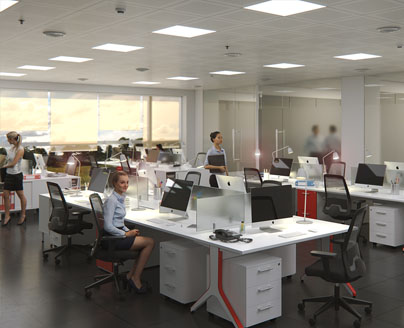
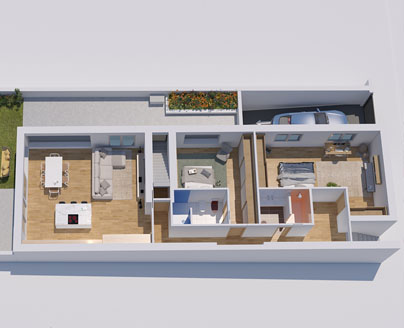
- Architecture: Architects utilize 3D architectural visualization to represent new constructions in three dimensions, providing a clearer vision of proposed projects to clients.
- Marketing and Advertising: Advertisers use 3D animation to create more engaging and imaginative campaigns that capture viewer attention quickly.
Choosing the Right 3D Animation Studio
For businesses looking to embark on a 3D animation project, selecting the right studio is crucial. Key factors to consider include:
- Portfolio Quality: Reviewing past projects helps assess if a studio’s style aligns with your projects needs.
- Technical Expertise: Skilled animators with advanced tools are essential for producing high-quality animation.
- Client Testimonials: Feedback from previous clients can offer insights into the studio’s reliability and quality of service.
In summary, 3D animation projects require a deep understanding of both the artistic and technical processes. They have significant impacts across various fields, enhancing how we work, learn, and entertain. Whether for educational purposes, marketing, or entertainment, employing the right 3D techniques and team will ensure your projects success in the highly competitive digital world.


